Organic Production Standard of the European Union (Regulation (EU) 2018/848)
1.What is EU Organic Certification?
The act of auditing an enterprise's product scope, production process and business premises in accordance with the requirements of the latest EU organic standard regulation (EU) 2018/848 and its relevant implementing acts, and issuing organic certificates accordingly.
2.Legal and regulatory system
As the core regulation of the current EU organic system, (EU) 2018/848 entered into force in the European Union on 1 January 2022, and has been fully applicable to third countries including China since 1 January 2025, while replacing previous regulations such as (EC) 834/2007 and (EC) 889/2008.
3.Which companies need to apply for SRS equivalent EU organic product certification
Enterprises that need to export "organic" products to the EU market or markets in countries with equivalent EU standards
4.Which products can apply for SRS equivalent EU organic product certification
The following products from agricultural sources that have been invested or planned to be invested in the EU market can apply for SRS equivalent EU organic product certification:
(1) Live or unprocessed agricultural products
(2) Processing agricultural products for food use
(3) Feed
(4) Yeast used as food or feed
(Not applicable: turtles, wild animal products from fishing and hunting, etc.; processed products not intended for human food (excluding feed), such as cotton peels, etc.)
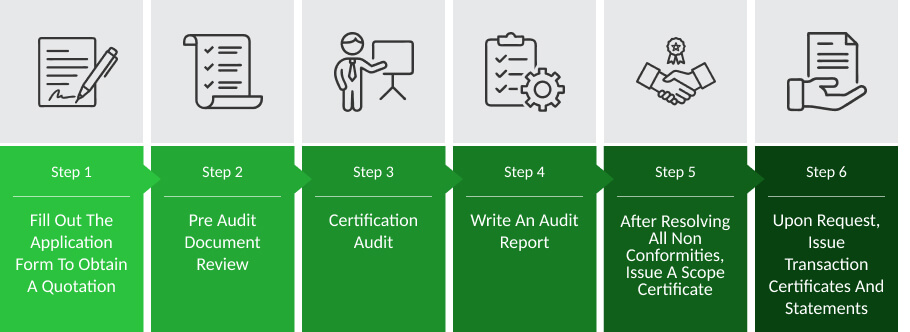
5.certification process
6.How to prepare SRS equivalent EU organic product certification
(1) Ensure production sites, processing facilities and other premises comply with the requirements of Regulation (EU) 2018/848.
(2) Establish and implement a complete organic management system documentation, and maintain its continuous effective operation.
(3) All links including production, processing, storage and transportation shall be implemented in strict accordance with the standards, with complete records maintained for traceability.
7.How long does it take to obtain certification results
The overall timeline depends on the enterprise’s progress of preparation and rectification. General timeframes are as follows:
Document preparation and application submission: Controlled independently by the enterprise
On-site inspection to certification decision: Normally within 30 working days
Rectification period: Subject to the enterprise’s level of cooperation
With full active cooperation from the enterprise, the entire certification cycle takes approximately two months.
8.Use of EU Organic Product Labels and Logos for Market Entry into the European Union
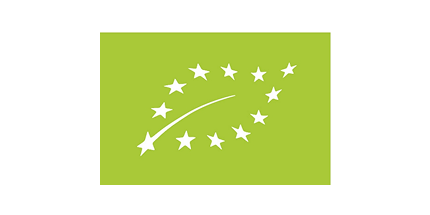
Logo Specifications:Mandatory use of the EU Euro-leaf logo.
Size:Minimum height ≥ 9 mm (may be reduced to 6 mm for small packages); aspect ratio 1:1.5; no distortion or colour change permitted.
Colour:Green (Pantone 376 C / CMYK 50-0-100-0) and white.
Mandatory Information
Organic agricultural origin in the EU
Certification body code
Organic percentage of product ingredients
For non-EU ingredients, the country of origin must be indicated.
9.Validity Period of Organic Certification
The certificate is typically valid for 12 months; annual surveillance audits and certificate renewal are required each year.
10.Why do enterprises apply for EU Organic Certification
(1) Meet EU market access requirements and expand export channels
(2) Enhance product reputation and international competitiveness
(3) Promote production standardization and sustainable agricultural practices
(4) Strengthen consumer trust and increase product added value
(5) Contribute to ecological environment protection and sustainable agricultural development
11.Cost of EU Organic Product Certification
Fees depend on enterprise scale, product categories, complexity of operation and the quotation of the certification body. They usually include application fee, inspection fee, certification fee, testing fee, annual surveillance fee, etc. The specific cost shall be determined through consultation with the certification body.